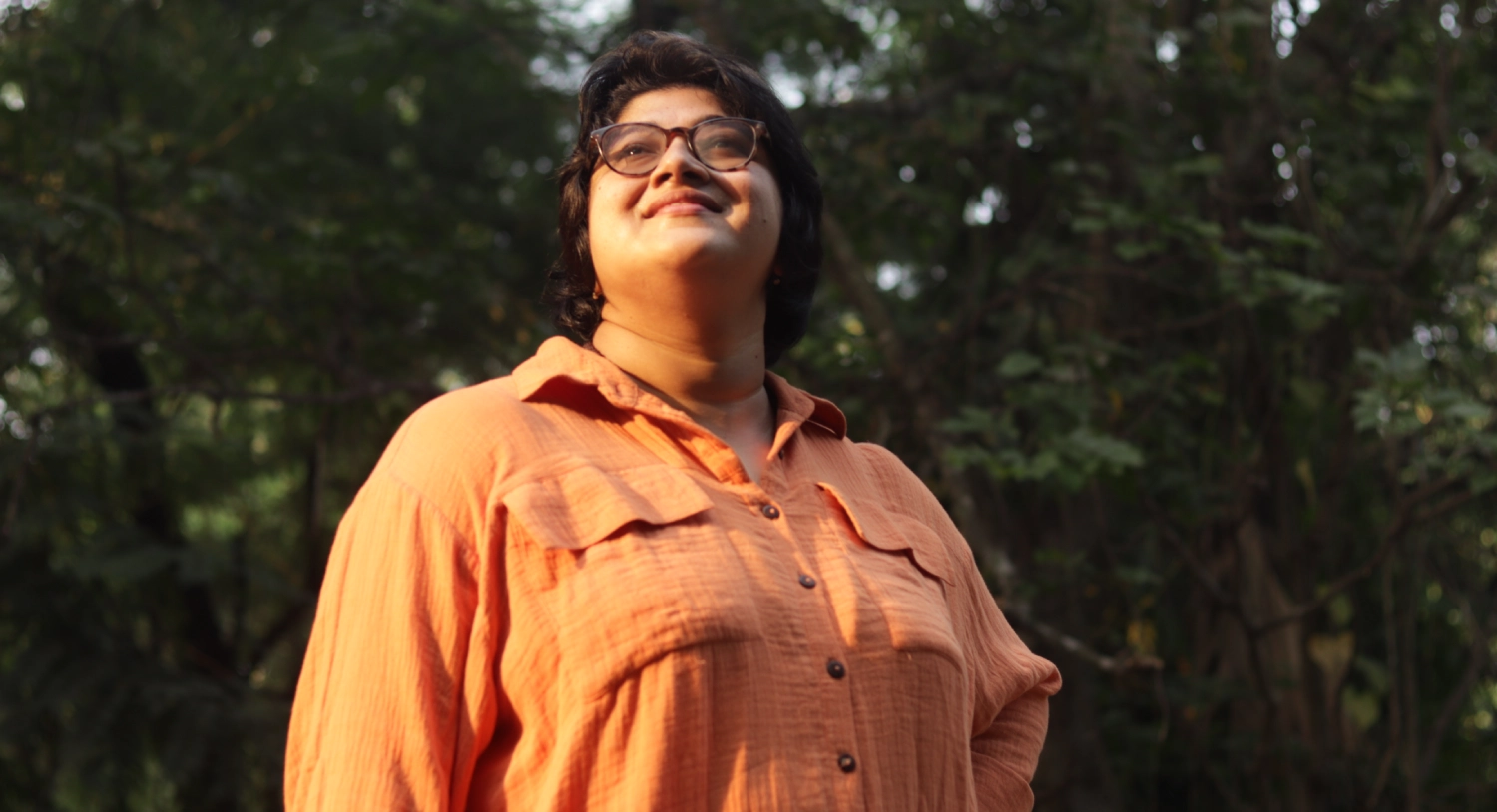
My work begins in paradox – where tradition meets revolution, and the scholar meets the seeker.
At the intersection of performance, pedagogy, and cultural knowledge, I engage with intercultural performance traditions from India through both critical research and embodied practice. I don’t just study systems of knowledge – I inhabit them.
Rooted in these traditions, my work is shaped by clarity, accessibility, and sustained inquiry.
This space reflects an evolving practice grounded in performance studies, ethnochoreology, disability aesthetics, and dance pedagogy – with a focus on access-centered methods, inclusive education, and cultural continuity. These commitments take institutional form through the Sapta Foundation, an interdisciplinary initiative advancing accessibility, sacred ecology, equitable education, and justice across India’s physical, cultural, and knowledge landscapes.
In 2018, I formally entered sannyasa, the renunciant path within the Indian spiritual tradition — not as a retreat from the world, but as a deeper turning inward. It was neither a rupture nor a romantic gesture, but a conscious reorientation: a decision to align life, thought, and action with a more grounded sense of presence, purpose, and inquiry.
This was not a sudden shift, but the culmination of years of sustained inner inquiry and immersive engagement with Indian knowledge systems, ritual practices, and embodied learning. I received formal initiation through a traditional Akhara, in keeping with the lineage-based frameworks of renunciation that recognize sannyasa not as abandonment, but as intensified commitment.
I continue to study Sanskrit and Indian Śāstras under Abhinava Balananda Bhairava, of the Śāradā lineage. Learning Śāstra continues to shape the philosophical, contemplative, and ethical foundations of my life and work. My sannyasa is lived not through visible signs alone, but through practice – in thinking, creating, walking, and being.
This shift is not an end, but a deepening – a reorientation toward inner clarity, ethical commitment, and ecological consciousness. It informs my approach to pedagogy, accessibility, performance, and cultural continuity, where questions of care, justice, and sacred relationship are inseparable from questions of form and method.
These values are also embedded in the work of the Sapta Foundation, which I founded to create space for interdisciplinary engagement rooted in sacred ecology, accessibility, cultural continuity, and knowledge justice.
Sannyasa, for me, is a mode of responsibility – lived quietly, not as detachment, but as radical presence. It offers a way to inhabit the world with discipline, clarity, and an unwavering commitment to what truly matters.